In Morocco, the date palm is grown in several areas located on the southern flank of the Atlas Mountains along rivers and around water points. These areas are characterized by a pre-Saharan arid climate.
The fruit is a staple food, and the palm’s leaves and other parts were used for construction, mats, and various other purposes. The palm’s shade offered respite from the sun, and its roots help stabilize the soil in harsh environments
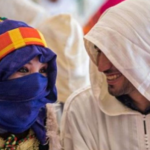
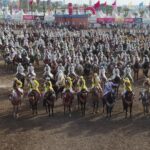
The Dates Festival is an annual agricultural and cultural festival held in the town of Erfoud, Morocco. It takes place every year in October, right after the date palm harvest.
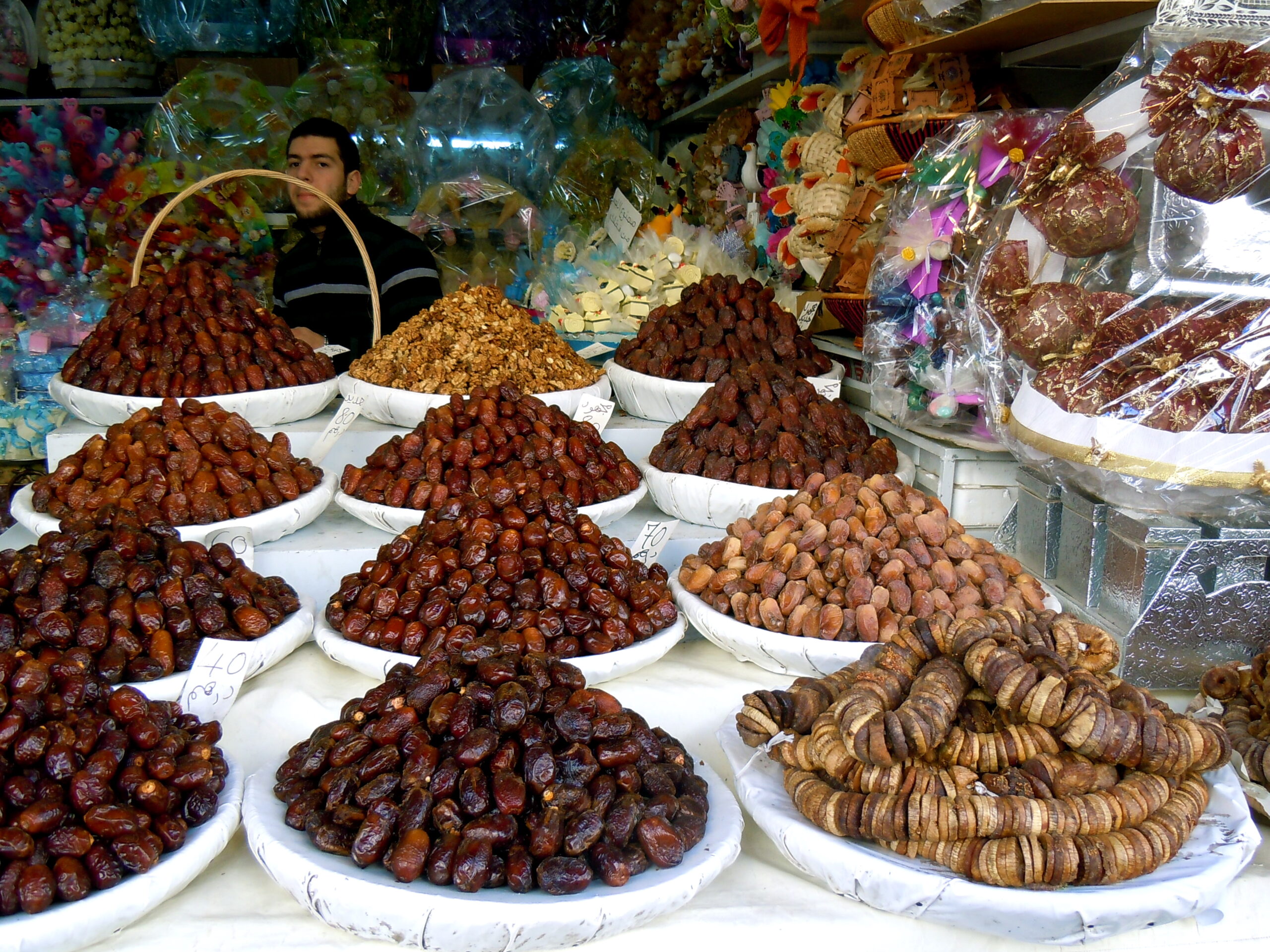
The festival celebrates the prized dates of the Tafilalet region, especially the famous Majhoul variety. It features a large market where farmers showcase their best dates and other local products like henna and traditional crafts. The event includes folk music and dance performances, parades, and competitions to choose the highest quality dates of the year.
It’s a lively and authentic event that highlights the importance of the date palm to the local economy and culture, attracting both Moroccans and tourists to the gateway of the Sahara desert.
Morocco is the eighth world producer of dates and these go far beyond being a simple food. Dates are one of the symbols of the Moroccan culture, they transcend gastronomic borders and become the emblem of the country. Morocco is at the centre of the date producing area with 5 million palm trees spread over 50,000 hectares
In Morocco, the date is closely related to celebrations, such as Ramadan and a wedding receptions or baptisms. In the date regions it is consumed throughout the year making juices or dried. It is a fruit that never rots! It is rich in good sugars and is highly recommended for athletes and those who have jobs of demanding nature due to its great energy contribution.